
Whether you're planning a complete renovation or refreshing existing spaces, understanding what makes your building special is the first step towards creating an interior that feels both timeless and personal. At E2 Architecture + Interiors, this is what we call Contemporary Conservation: preserving what matters while helping historic buildings evolve to support the way we live today.
Designing the interior of a listed building can be incredibly rewarding.
Historic homes offer character, craftsmanship and a sense of permanence that newer properties often lack. But creating an interior that works for modern living requires a more considered approach than simply selecting finishes and furniture.
Whether you’re planning a complete renovation or refreshing existing spaces, understanding what makes your building special is the first step towards creating an interior that feels both timeless and personal.
At E2 Architecture + Interiors, this is what we call Contemporary Conservation: preserving what matters while helping historic buildings evolve to support the way we live today.
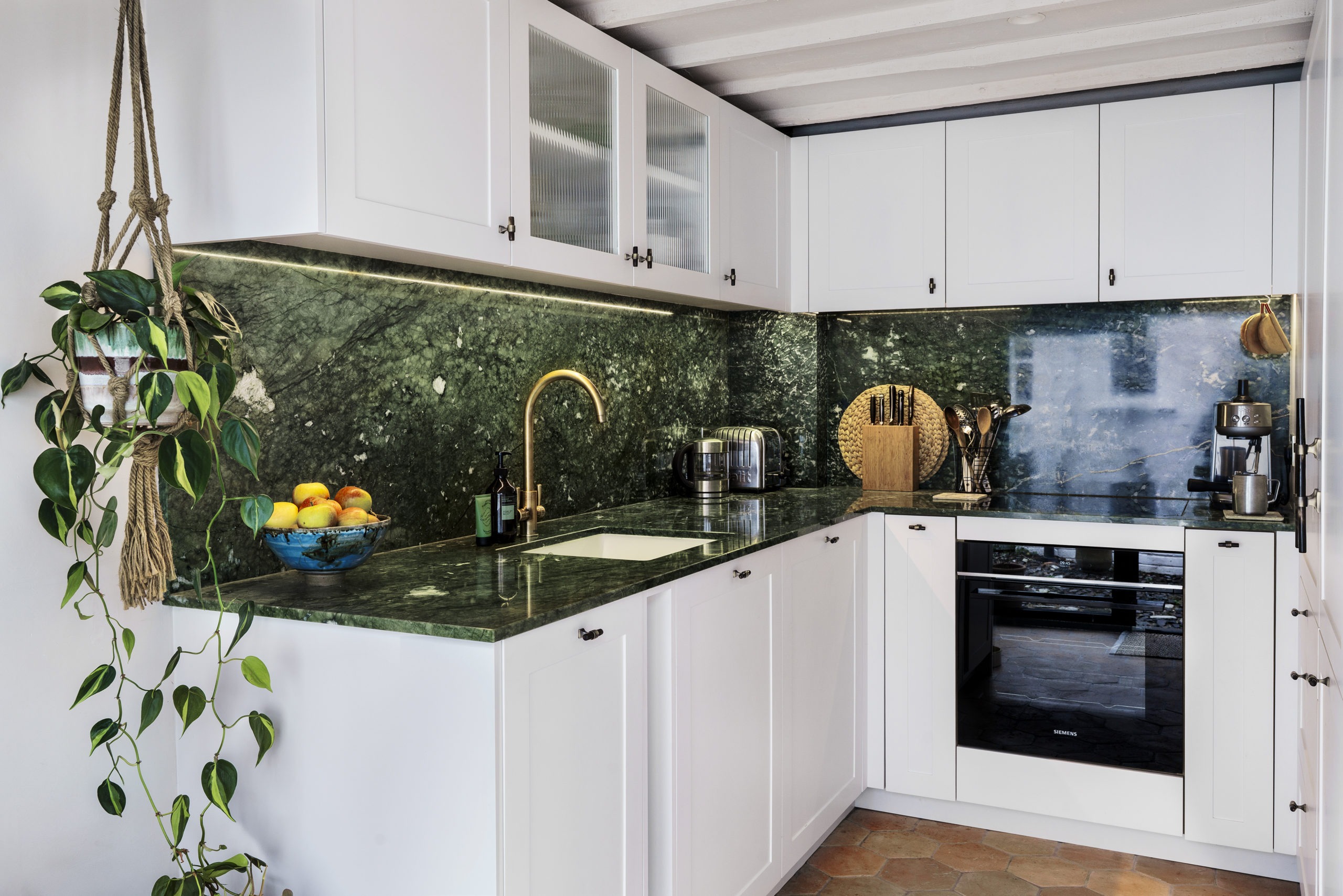 (Private Residential | Chipstead Lane, Grade II listed barn conversion in a heritage setting. Learn more about this project)
In most cases, yes.
A common misconception is that owning a listed building means nothing can change. In reality, thoughtful change is often essential to keep these homes practical, comfortable and relevant.
However, internal alterations can require Listed Building Consent if they affect features that contribute to the building’s significance.
These could include:
The key is understanding which elements are significant, and where there is genuine opportunity for change.
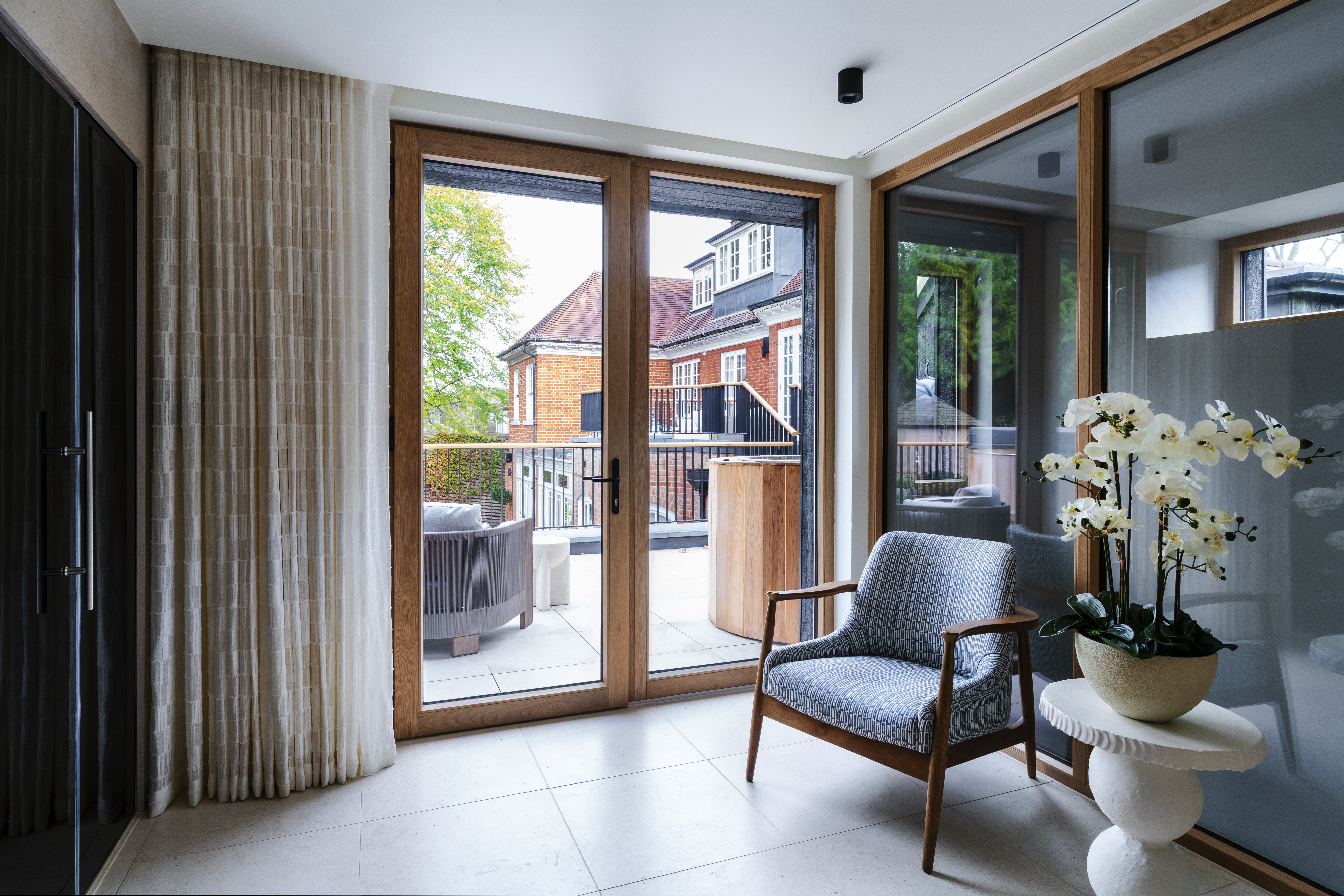
(Private Residential | The Garden Pavilion by E2. A new build development adjacent a locally listed building within a sensitive heritage setting and Conservation Area.) Learn more about this project)
Before making design decisions, it’s important to understand the building itself.
Every historic property has evolved over time. Some features may be original and highly significant. Others may be later additions with far greater flexibility for adaptation.
A conservation-led approach asks:
By answering these questions early, homeowners can avoid pursuing ideas that conflict with the building’s significance and instead focus on opportunities that enhance both the property and everyday life.
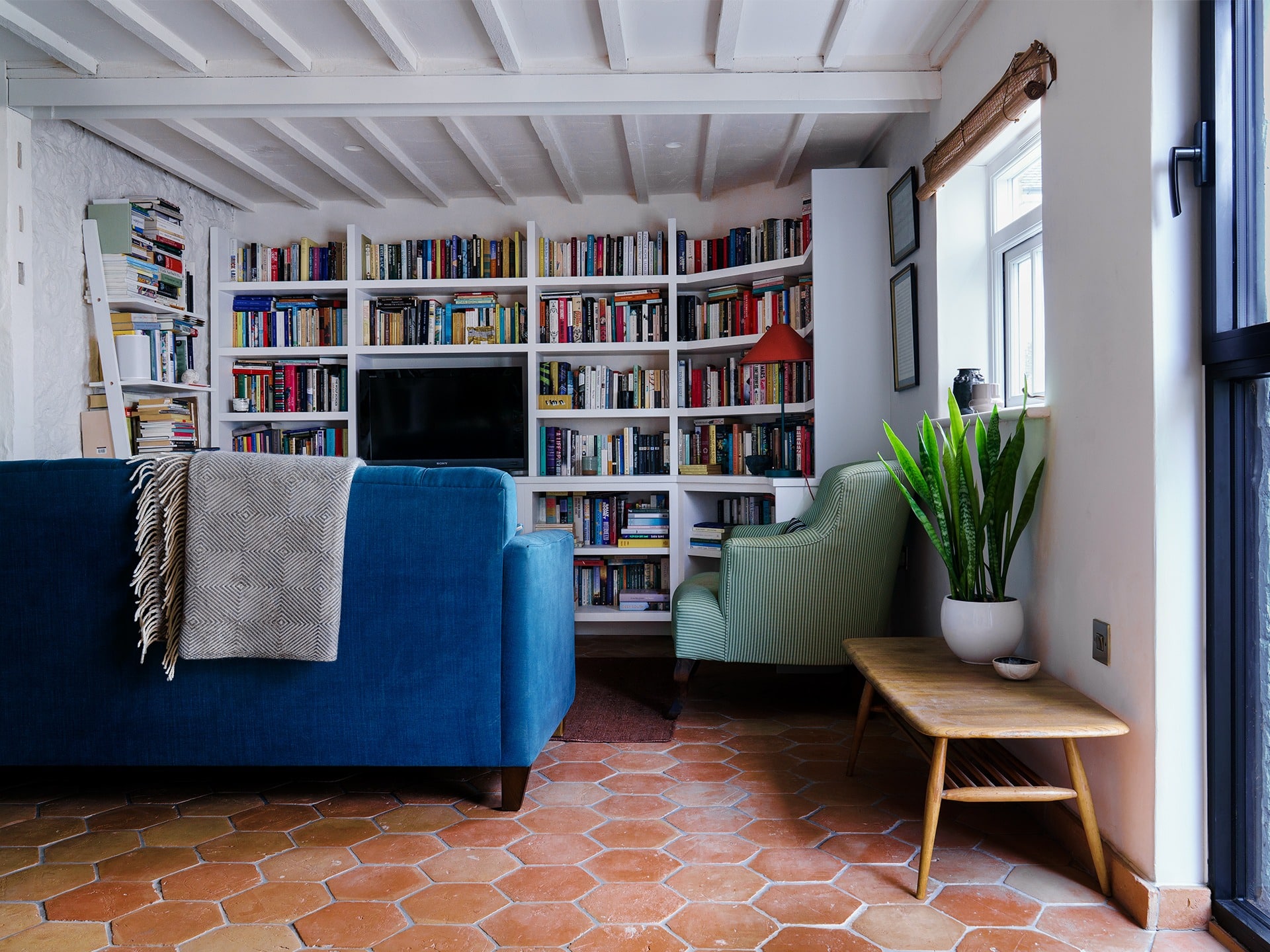
(Private Residential | Chipstead Lane by E2. Grade II listed barn conversion in a heritage setting. Photogrpahy by Rachel Warne Learn more about this project)
Interior design in heritage homes is about much more than colour palettes and furnishings.
The most successful projects consider how the entire home functions.
Questions we often explore include:
Often, relatively small interventions can have a transformative effect on how a home feels and functions.
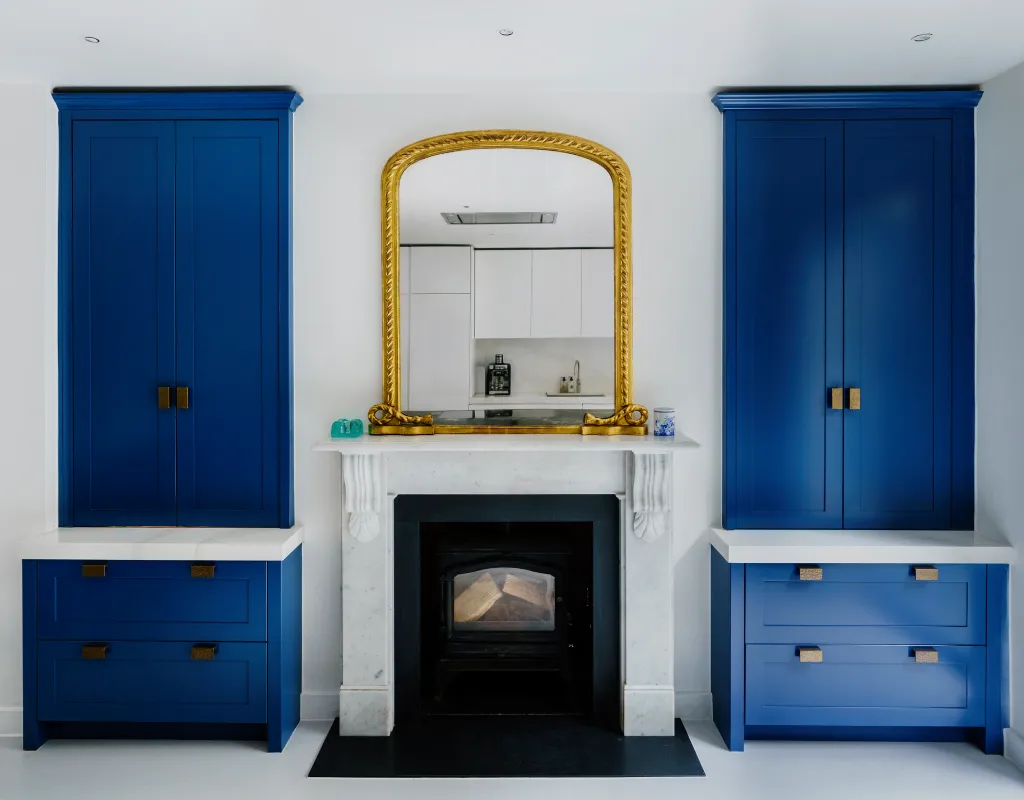
(Private Residential Interior Design| Bennett Park by E2 in collaboaration with Chambers Furniture. Completed construction professional photography of The Lower Ground Floor kitchen area, Joinery designed and installed buy Chambers Furniture, photography by Rachel Warne Learn more about this project)
Many listed buildings weren’t designed for contemporary lifestyles.
Families today often want open-plan living, integrated kitchens, dedicated workspaces and improved connections to gardens and outdoor areas.
Introducing these elements requires sensitivity.
The challenge is finding ways to incorporate modern comforts without compromising the qualities that make the building special.
This might involve:
When done well, contemporary interventions can actually strengthen our appreciation of historic buildings.
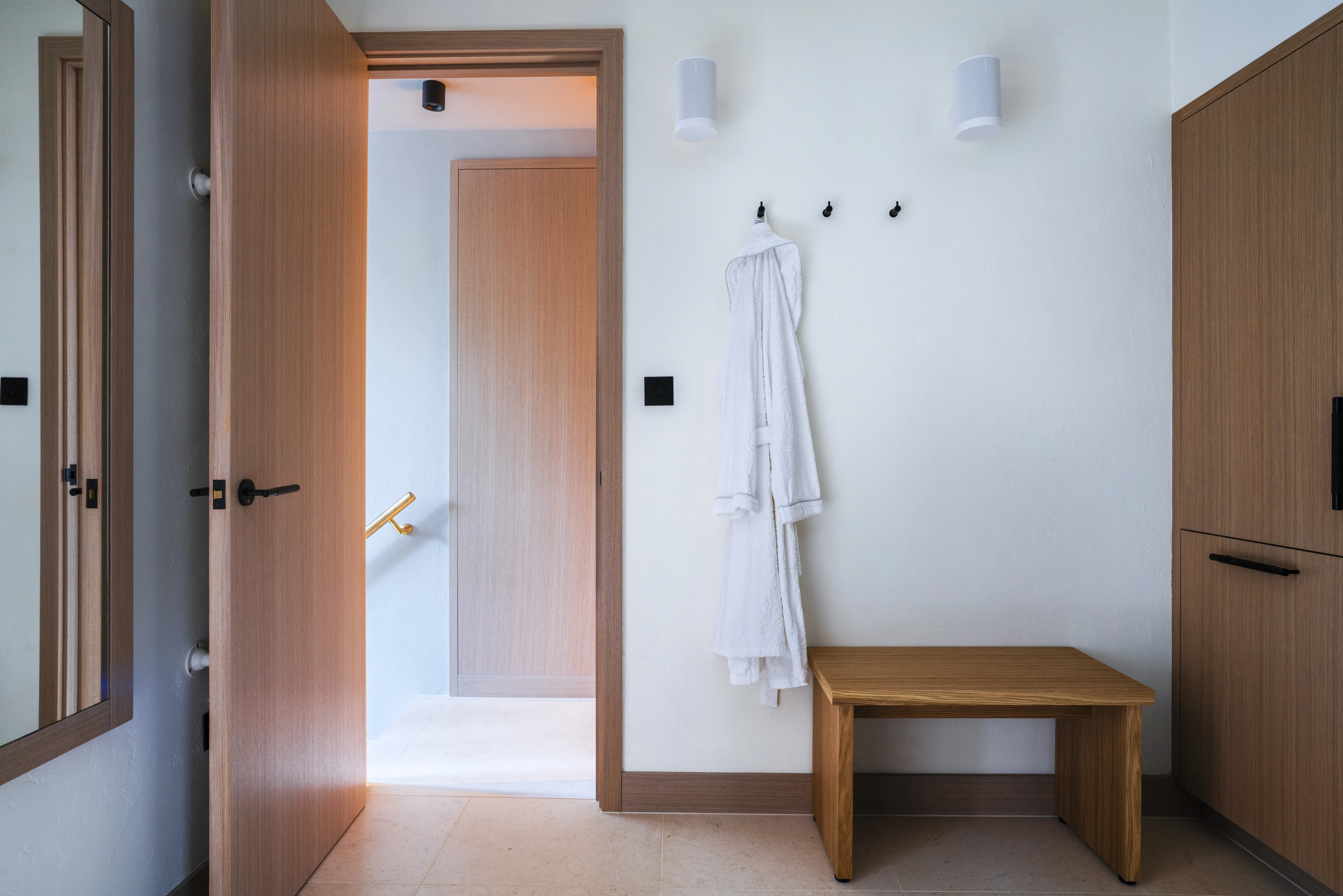
(Private Residential Interior Design| The Garden Pavilion by E2 in collaboaration with Chambers Furniture and Cooper+Cooper Interiors. Changing Rooms interior design. Photoprahy by Rachel Warne Learn more about this project)
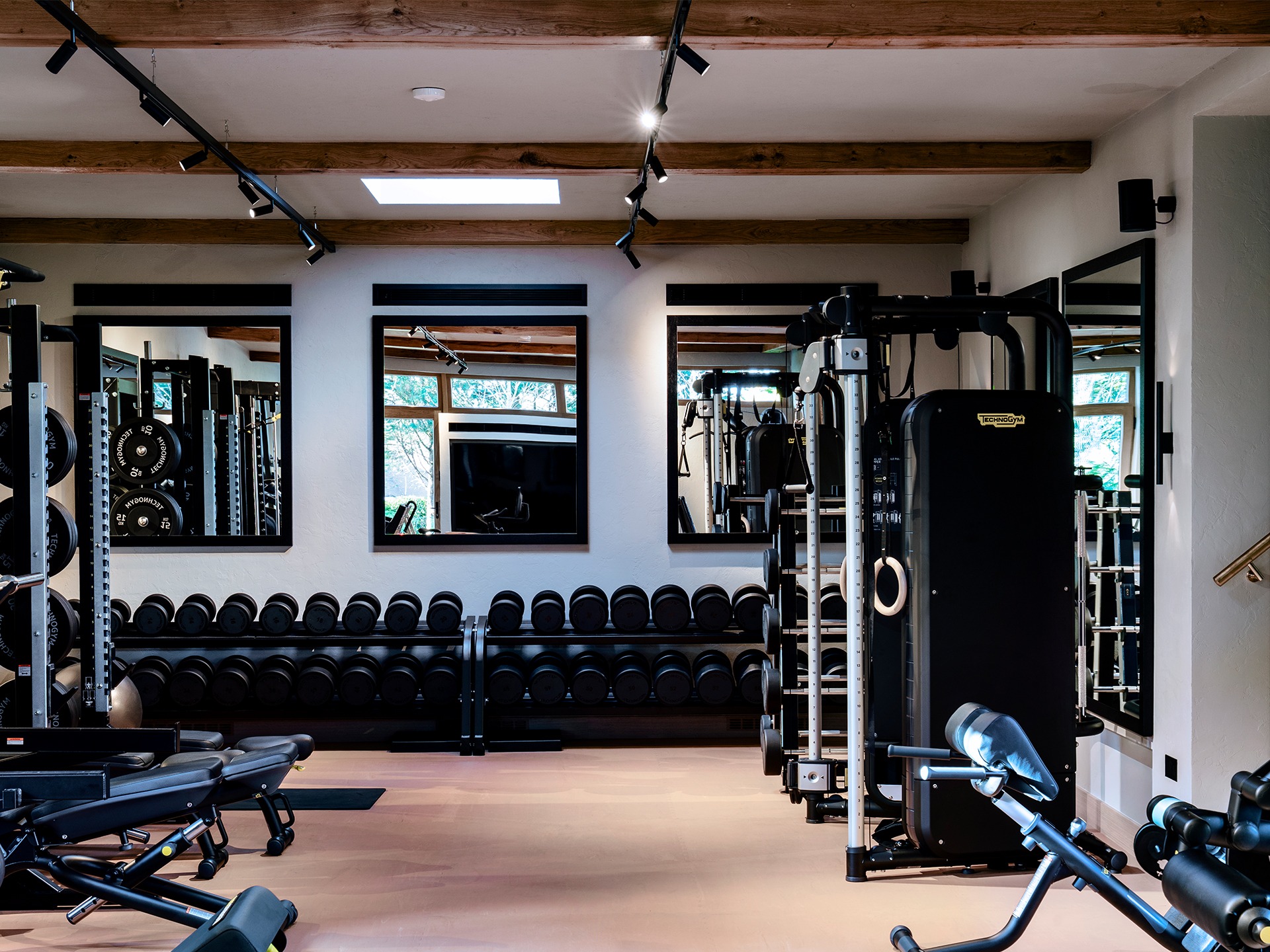
(Private Residential Interior Design| The Garden Pavilion by E2 in collaboaration with Chambers Furniture and Cooper+Cooper Interiors. The Gym interior design. Photoprahy by Rachel Warne Learn more about this project)
Lighting is often overlooked in listed building renovations.
Historic homes can have darker layouts, smaller windows or awkward room arrangements created through decades of alteration.
A carefully considered lighting strategy can completely transform the experience of a space.
Combining ambient, task and accent lighting can:
Planning lighting early allows it to be integrated seamlessly into the wider design.
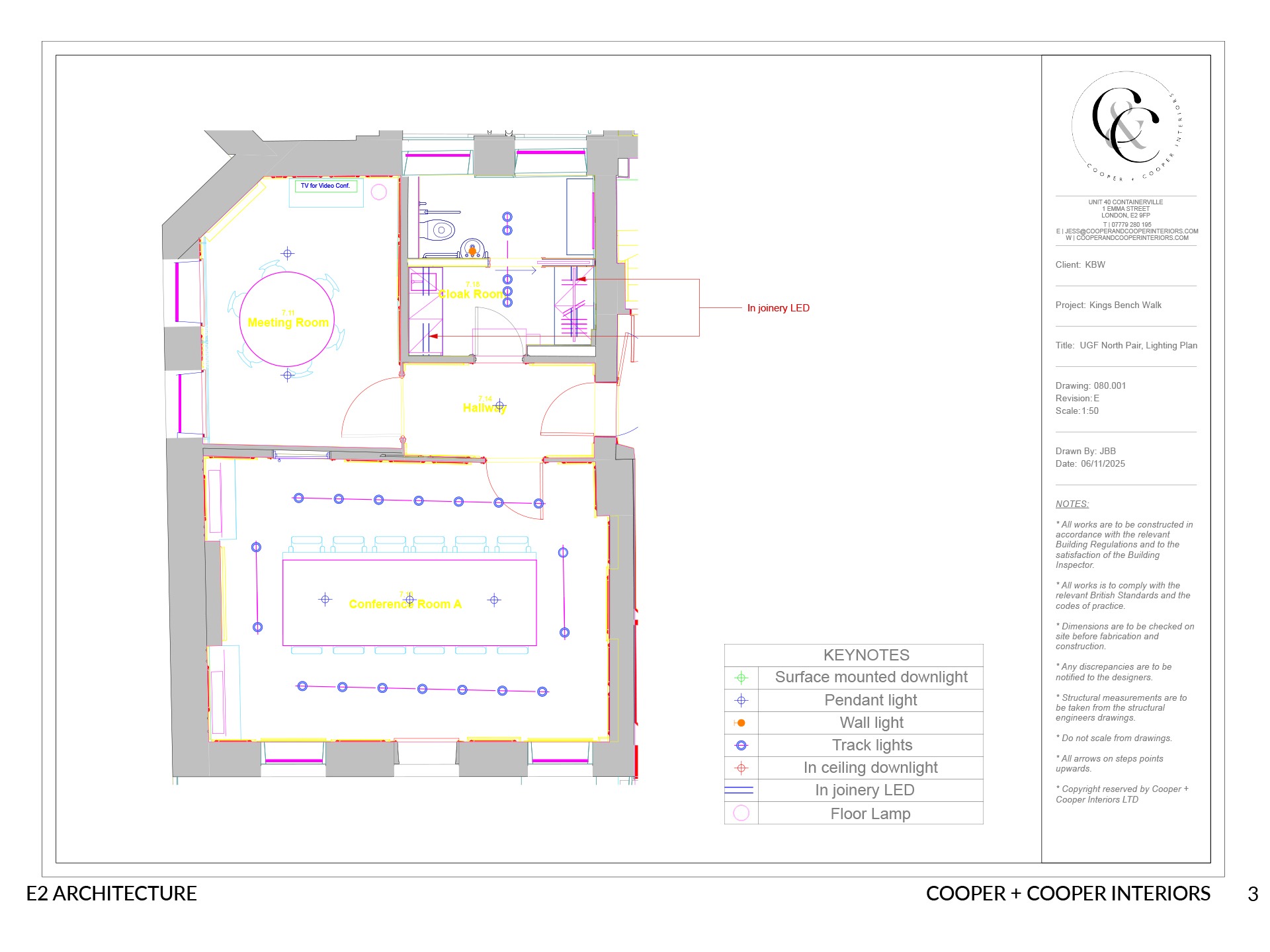
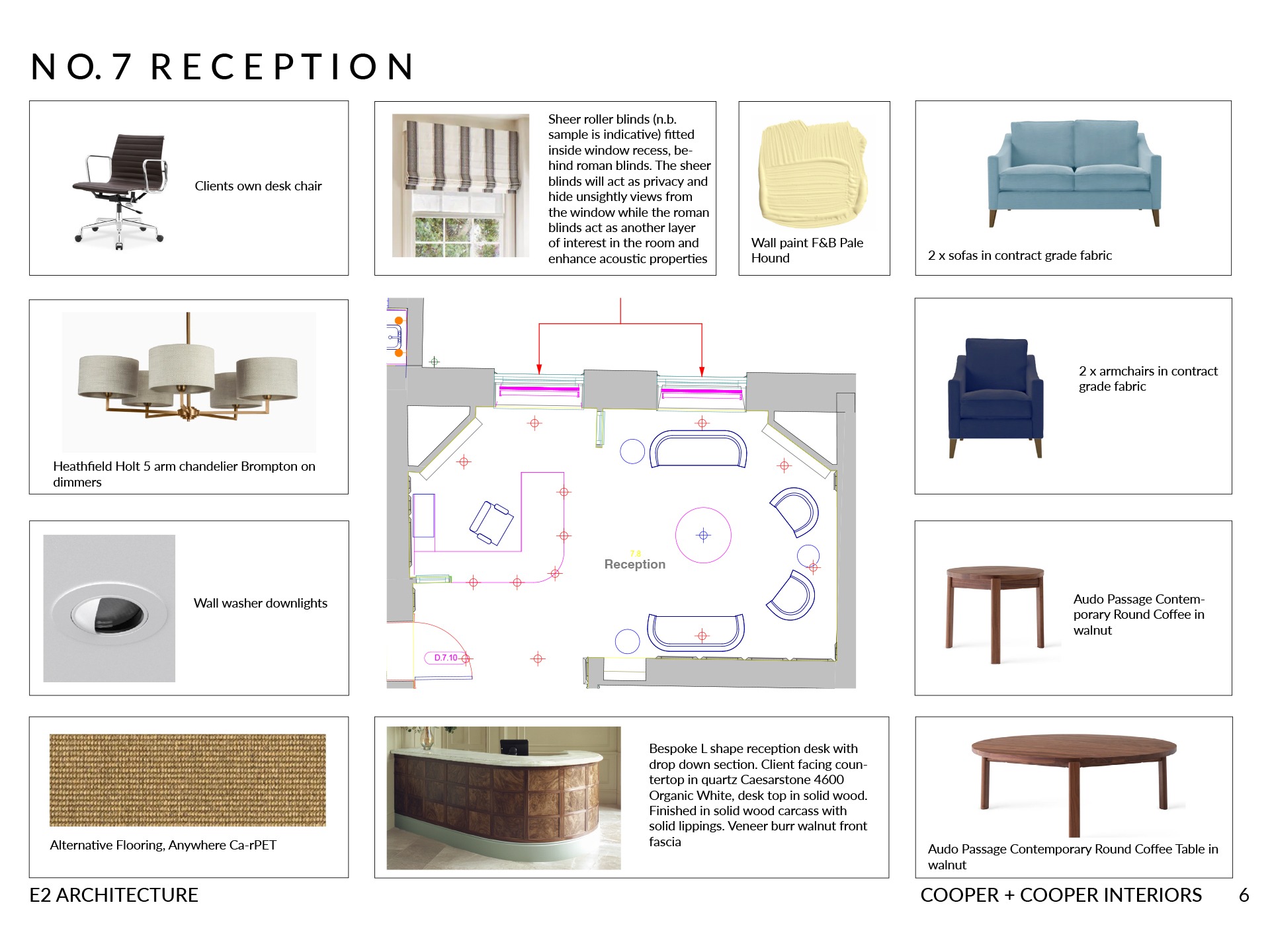
(Commercial Interior Design | King’s Bench Walk by E2. Sensitive repairs, alterations and interior design to a Grade I listed building within a sensitive heritage setting and Conservation Area. Lighting Design Layout and Interior Mood Board and joinery specification for Front of House Recepetion Area)
Some of the most expensive mistakes happen when interior decisions are left until the end of a project.
Common pitfalls include:
Layouts, services and lighting work best when considered alongside the architecture.
Original elements often provide the character people value most.
Historic buildings behave differently to modern construction and require appropriate specifications.
Beautiful interiors also need to function well for the people who live in them.
Even seemingly minor alterations may require specialist advice and listed building consent.
Increasingly, our clients want a joined-up approach.
Working alongside interior designer Jess Bing of Cooper & Cooper Interiors, we combine E2’s conservation architecture expertise with refined interior design thinking.
By considering architecture and interiors together from the outset, we can create homes that are cohesive, practical and personal.
From space planning and lighting design through to materials, joinery, furnishings and decoration, every decision contributes to a single vision.
The result is a bespoke interior that not only looks beautiful, but genuinely enhances the way you live.
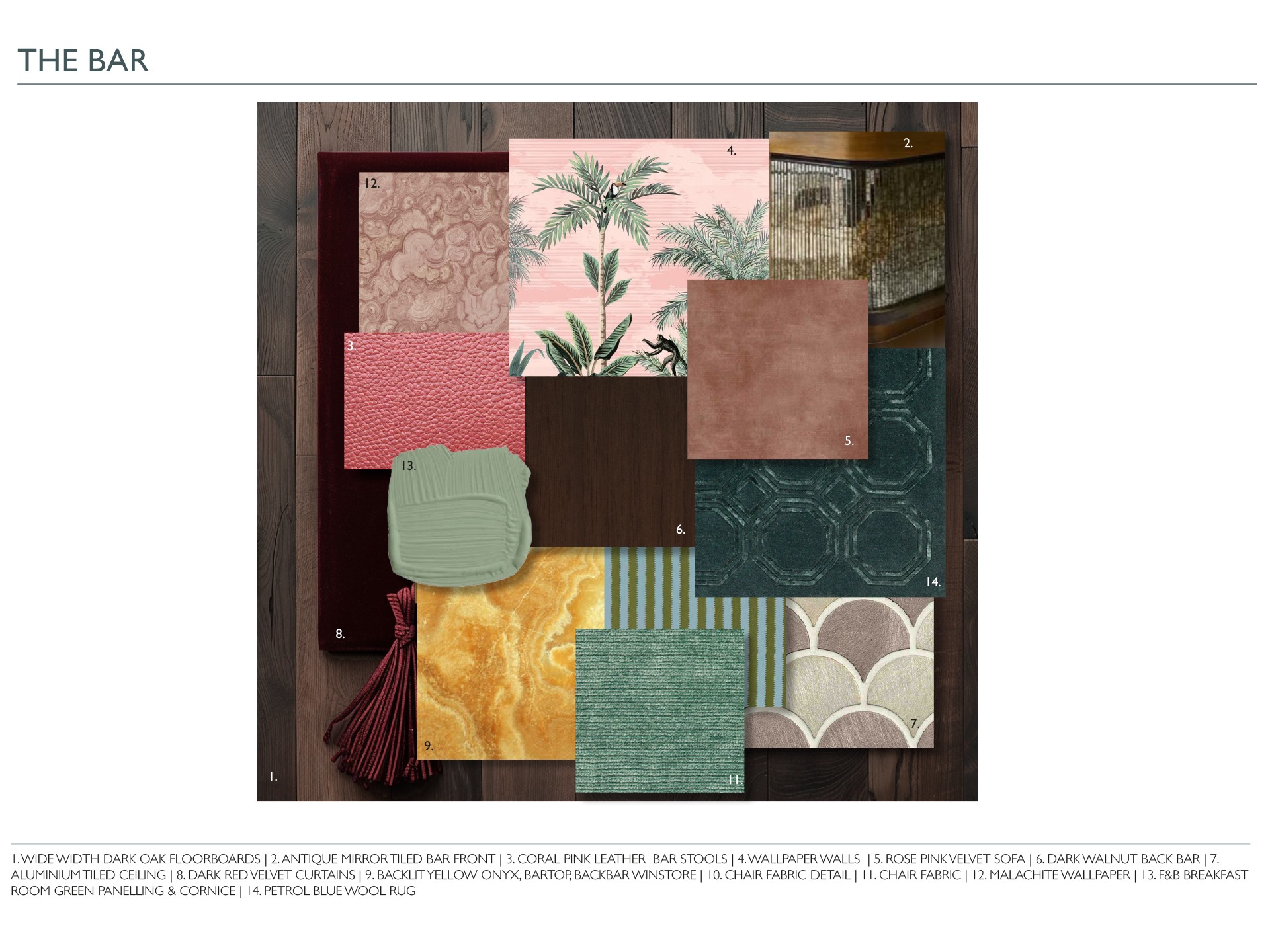
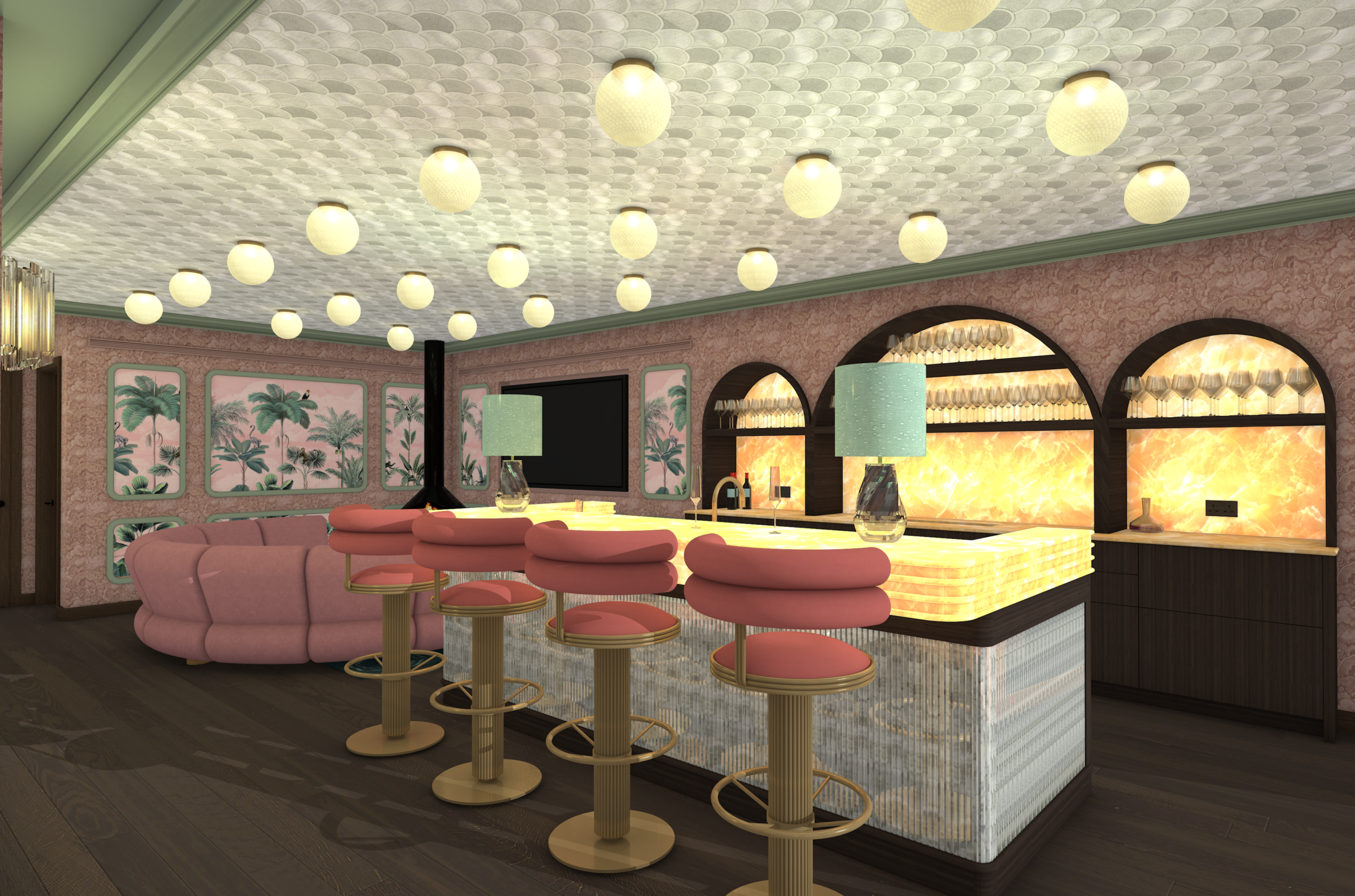
(Private Residential Interior Design| The Garden Pavilion by E2 in collaboaration with Chambers Furniture and Cooper+Cooper Interiors. Interior Design mood board and 3D Concept visual for the Bar area at Lower Ground Floor. Designed by Cooper+Cooper Interiors Learn more about this project)
At E2, we don’t see heritage as a limitation.
Historic buildings have already stood the test of time. Our role is to understand what makes them special and help them continue evolving for future generations.
The best listed building interiors don’t attempt to recreate the past or erase it. They embrace the dialogue between old and new.
Because when contemporary ideas are rooted in heritage logic, that’s often where we find the “wow”.
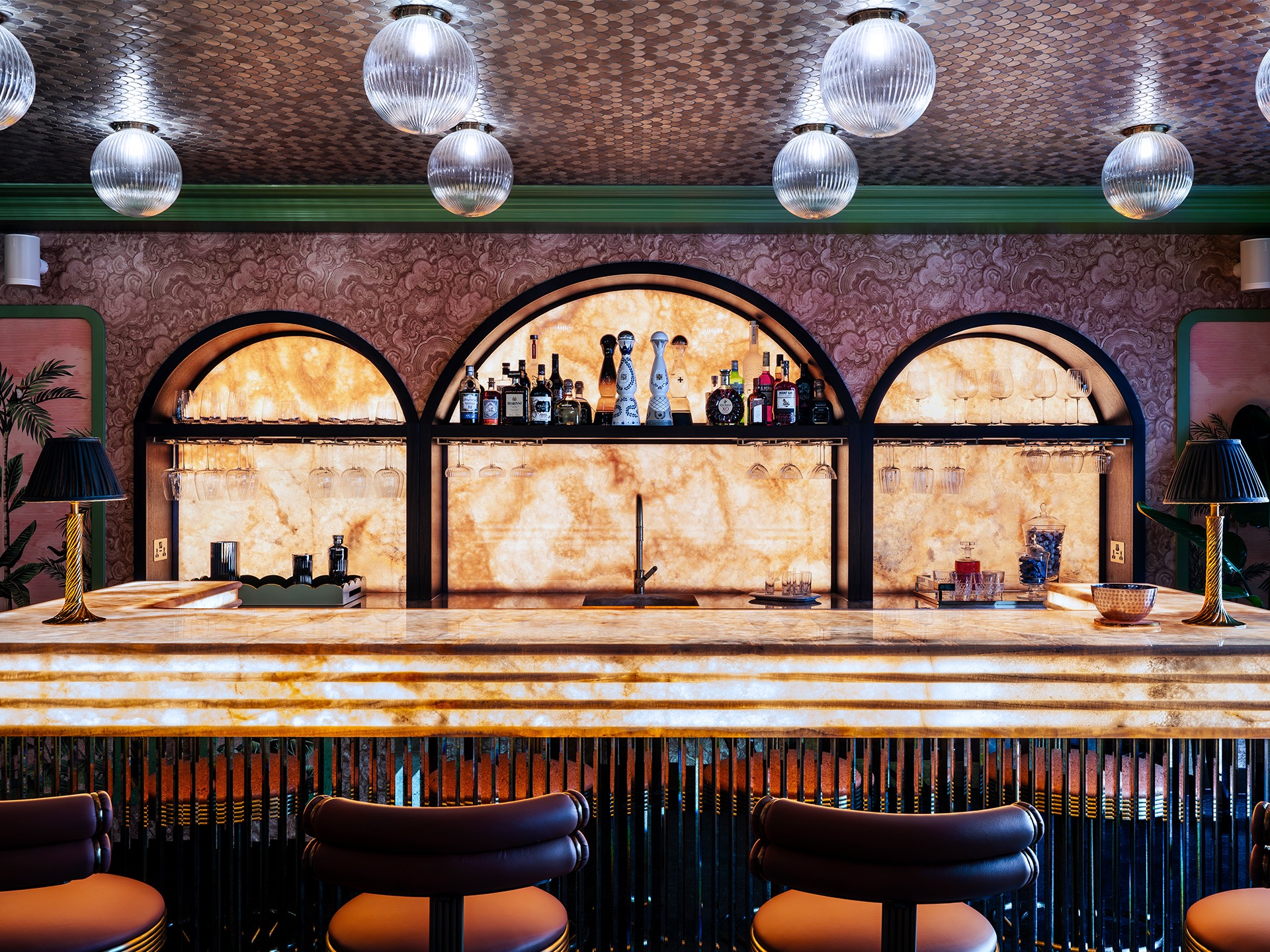
(Private Residential Interior Design| The Garden Pavilion by E2 in collaboaration with Chambers Furniture and Cooper+Cooper Interiors. Completed construction professional photography of The Bar area at Lower Ground Floor, Designed by Cooper+Cooper Interiors, photography by Rachel Warne Learn more about this project)
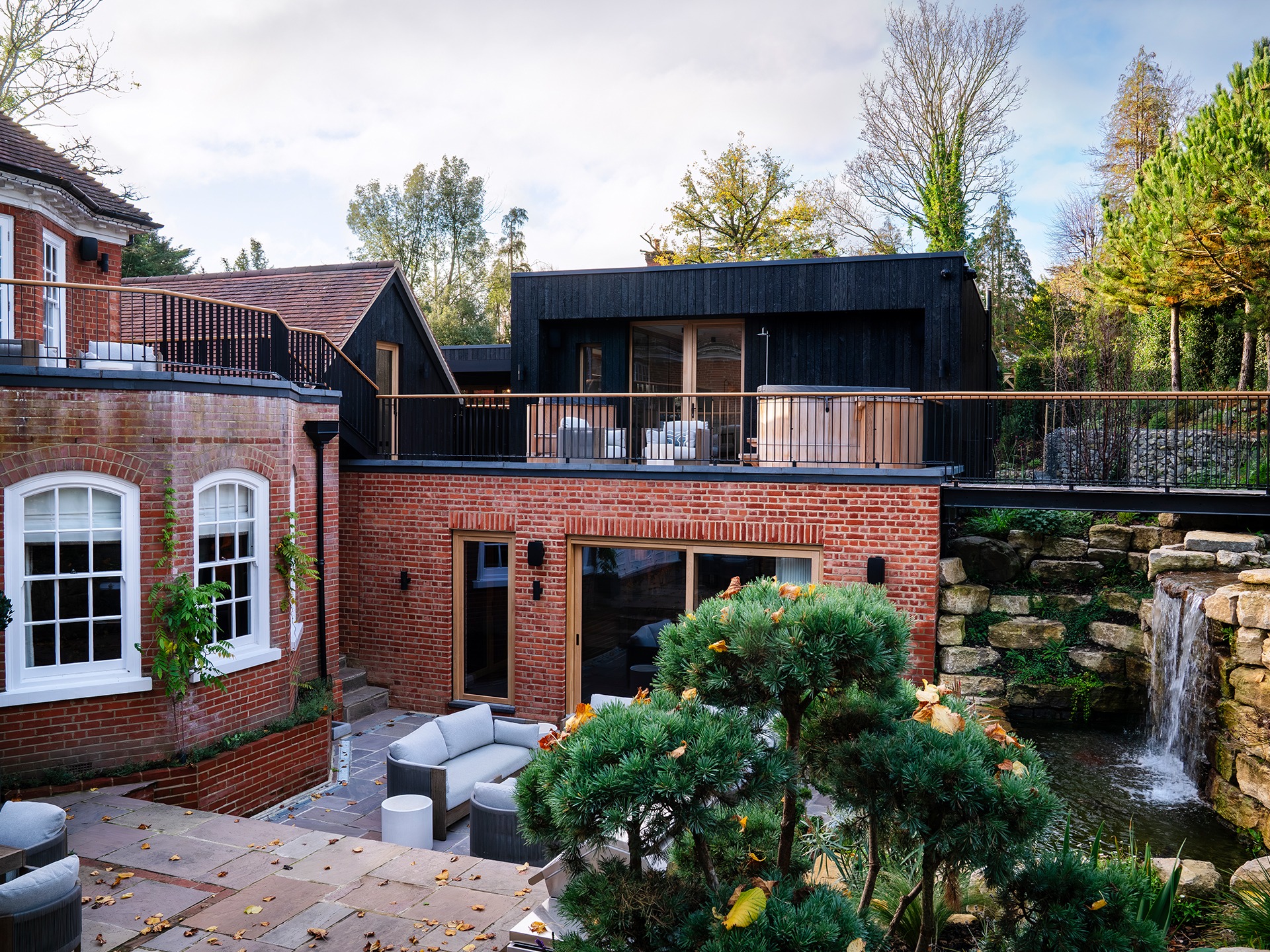
(Private Residential Interior Design| The Garden Pavilion by E2 in collaboaration with Chambers Furniture and Cooper+Cooper Interiors. Completed construction professional photography by Rachel Warne Learn more about this project)
Thinking About Redesigning a Historic Interior?
Whether you’re planning a complete renovation or simply exploring possibilities, starting the conversation early can save time, reveal opportunities and give you confidence in your decisions.
If you’re considering making changes to a listed building or period property, we’d be delighted to help you explore what’s possible.
Book a free 15-minute consultation with E2 and discover how thoughtful interior design can transform the way you live.
"We are really proud of the result, and would recommend Sam, Elizabeth & David for any project requiring thinking outside of the box and rising to a complex brief."
"We tasked E2 to convert a listed barn into a new living space and update an existing listed property: it had its challenges but they created a unique, sympathetic and modern home, remaining true to the features and history of the building while also updating it into a highly functional and sustainable space. We are really proud of the result, and would recommend Sam, Elizabeth & David for any project requiring thinking outside of the box and rising to a complex brief. Thank you to the E2 team!"
Francesca Vinter
Private Residential Client, Sevenoaks
"Positive Responsiveness, Quality, Professionalism, Value"
"E2 assisted with the design and submission for the renovation of two floors of our house including an extension in Blackheath village. We cannot rate them highly enough - great ideas, professional and easy to work with."
Lauren Pullen-Stanley
Private Residential Client
"Knowledgeable, professional, personable - and patient! I would recommend."
"Knowledgeable, professional, personable - and patient!
Sam and team came up with a scheme for our house that has maximised the space, transforming it from 3 bedsits into a beautiful family home. They provided support and guidance throughout the process (design, planning, tender, building works) helping us manage to budget and avoid several potential pitfalls. They brought practical advice and expertise - which really helped make the project a success.
I would recommend."
Terry & Jess
Private Client, Granville Park
Director – BA (Arch), Dip Arch, RIBA CA
Sam Cooper is a Chartered Architect and RIBA Accredited Conservation Architect with over 20 years’ experience working on listed buildings, heritage properties, and sustainable contemporary design. As Founder and Director of E2 Architecture + Interiors, he leads projects that balance innovation with respect for history — a philosophy he calls contemporary conservation.
Sam specialises in navigating complex planning and listed building consent, often achieving success where others have struggled. His work brings together environmental design principles and a deep understanding of architectural heritage to create projects that are both forward-looking and timeless.
Director – Cooper & Cooper Interiors
Jess Cooper is managing director and head of design at Cooper & Cooper Interiors, a studio known for creating sophisticated and timeless interior spaces that balance functionality with elegant design.
Jess is a creative and entrepreneurial interior designer who believes in providing sustainable, liveable and above all memorable interiors for clients.
Educated at Central Saint Martins and the London College of Communication, and over 15 years of experience in the industry, Jess brings a multidisciplinary approach to design, influenced by her background in performance design, visual storytelling and branding.
Her design philosophy balances creativity with pragmatism: interiors must look beautiful and function seamlessly for the people who live in them.
Working alongside E2, Jess brings a design-led approach to interiors within historic and listed buildings, helping clients create spaces that feel both timeless and personal.
Our commitment to sustainability, quality craftsmanship, and tailored solutions makes us a trusted partner in bespoke interior design.
> Can you change the interior of a listed building?
Yes. Many internal alterations are possible within listed buildings. However, if the proposed changes affect features that contribute to the building's historic significance, Listed Building Consent may be required. The first step is understanding what is significant and what can be adapted.
> Do I need Listed Building Consent for interior alterations?
Not always, but more often than you might think.
Simple decorative updates, such as repainting previously painted walls, may not require consent. However, removing anything, altering layouts, replacing significant joinery, holes for new services, replacing floors boards or introducing new openings often will.
Specialist advice early on can help you understand what permissions are needed. You can find out more information about Listed Building Consent in our blog here.
> Can you have a modern interior in a listed building?
Absolutely. Some of the most successful heritage projects combine contemporary design with historic character. The key is ensuring modern interventions complement the building rather than compete with it. At E2, we call this approach Contemporary Conservation.
> When should interior design start during a renovation?
Ideally, from the very beginning of the project. Considering interiors alongside the architecture allows layouts, lighting, services and joinery to be fully integrated, resulting in a more cohesive design and helping to avoid costly changes later.
> What are the biggest mistakes people make when renovating listed building interiors?
Common mistakes include:
Leaving interior decisions until construction has started.
Removing historic features unnecessarily.
Using inappropriate materials or finishes.
Underestimating Listed Building Consent requirements.
Prioritising aesthetics without considering how the spaces function day to day.
> Can I improve the layout of a listed building?
In many cases, yes. Historic homes often evolve over time and previous alterations may have compromised how they function. Through careful analysis, it is often possible to improve flow, usability and connections between spaces while respecting the building's significance.
> Can kitchens and bathrooms be updated in listed buildings?
Yes. Kitchens and bathrooms are among the most common areas homeowners choose to modernise. The approach will depend on the significance of the existing spaces and whether any historic fabric is affected. Sensitive design can successfully balance contemporary comfort with heritage character.
You need to be careful though, as the most common cause of harm to old buildings we see is from thoughtless plumbing and electrical decisions.
> Can you improve lighting in a listed building?
Yes. Lighting design can have a transformative impact on historic interiors. Layered lighting strategies can improve functionality, enhance atmosphere and highlight original architectural features, often without adversely affecting the historic fabric. Again, be careful where holes are made and consider if these require listed building consent.
> Do I need a conservation architect for interior alterations?
If your property is listed or located within a conservation area, working with a conservation specialist can provide invaluable guidance. A conservation architect can help identify what is possible, navigate consent requirements and develop proposals that maximise the potential of your home while respecting its heritage.
> Is interior design worth investing in for a listed building?
Thoughtful interior design can add value in many ways. Beyond financial return, it can improve how your home functions, support your lifestyle, enhance everyday enjoyment and ensure the finished spaces truly reflect how you want to live.
📩 Thinking of contemporary sustainable home?
Get in touch with E2 for a free discovery call or architect home visit.
Join our newsletter for planning tips, project inspiration and heritage insights.


